Tuesday, 6 September 2011

Cumin the aromatic spice with health benefits

Cumin, known as Zeera in Hindi, has been used since ages not just in India but all over the world.  Even 5000 years ago its health benefits and medicinal uses were well known.  Even to this day, Cumin is used in Ayurvedic healing.

Cumin seeds are rich in iron and help stimulate the secretion of enzymes from the pancreas which help absorb nutrients in our system.  One study proves that cumin boosts the power of liver’s ability to detoxify the body.  This herb can help with digestive disorders, flatulence, diarrhea, nausea, morning sickness and indigestion.  As a remedy for indigestion, boil one teaspoon of cumin into one cup of water, add black salt and drink slowly like tea.  If you have soar throat, add a piece of fresh ginger to this mixture.

Cumin seeds can be used as whole or in ground form.  They give a very distinct aroma to soups, curried and yogurt dishes.  They are used in Indian, Nepalese, Pakistani, Middle Eastern, North African, Sri Lankan, Cuban, Mexican and some Chinese cuisine.  Cumin is used in some Dutch cheese and French bread also.

Cumin has been used since ancient times.  It has been established by the fact that in ancient Egyptian archaeological sites cumin has been found.  Cumin was originally cultivated in Iran and Mediterranean countries.  Ancient Greek and Romans also used cumin.  Greek and Moroccans kept cumin at the dining table like we keep salt and pepper today.

During middle ages it was believed that if bride and groom kept cumin in their hand during the wedding ceremony, happy married life awaited them.

Cumin belongs to the Apiacae family and other plants of this family are parsley.  They are oblong in shape and brown in color.  The botanical name of cumin is Cuminum cyminum.

Tuesday, 30 August 2011

Spicy Paneer pizza with pesto sauce

Let us first make our pesto sauce before we put other ingredients together for our spicy paneer pizza.
Wash two cups of basil leaves, washed and dried.  Put in the grinder, add 1/2 cup of olive oil, add 3 tablespoons of walnuts, 2 cloves of garlic, juice of one lemon, 1/4 cup cheddar cheese(grated) and  black pepper.  Once this sauce is made store it in a box in the refrigerator.

When I realised that mozarella cheese is very fattening, I thought about ways to make my pizza healthy without compromising the taste.  So I started using cheddar cheese and spicy paneer as a topping for my pizza.

For paneer topping:
In a big pan, put 2 litres of milk to boil.  Just before it boils add lemon juice or white vinegar( about 2 tblsp) to curdle the milk.  Strain the curdled milk through a muslin cloth to allow all whey and moisture to drain.  Hang it on a kitchen sink tap.  Once water drains, put it under weight for an hour or so to set this in a block.  Once block is set, cut paneer into small cubes and put it aside.  In the meanwhile, take a heavy skillet, heat a tsp of oil, add a tsp of cumin seeds to splutter, add one big diced onion and one green pepper(optional).  When onion turn light pink, add salt to taste and a tsp of coriander powder and 1/2 tsp of lemon pepper.  Now add paneer cubes to it and saute for a minute or so.  
Now put aside some diced onions, tomatoes, green pepper(bell pepper), black olives and grated cheddar cheese.
Putting Pizza together for baking:
Take a wheat flour nan, spread some pesto sauce on it. 
Add paneer mix, grated cheddar, diced onions, tomatoes, green pepper and olives on the pesto basted pizza base.
Now bake in the pre heated 400 degree F oven( or 250 degree C) for 12 minutes.

This afternoon we had this pizza for lunch.  My husband who is not too generous with complements said: "Wow, this pizza tastes excellent."

So try this home made pizza and surprise your family and friends.


.


Whear Flour Nan(Indian Bread)


Ingredients:
2cups wheat flour, 1 1/4 tsp baking powder, 1 tsp baking soda, 1 tsp sugar, 3/4 tsp salt, 1 tsp any cooking oil,  1/2 cup yogurt(plain), 1/2 cup or little less warm milk, butter or oil for brushing nan, chopped garlic, parsley or chives for sprinkling on the top.
Method:
Mix flour, baking powder, baking soda, sugar and salt in a big bowl.
Make a well in the centre and add oil and yogurt. Add half of milk and mix everything to form a ball.  Here see if more milk is needed.  Dough needs to be soft so that if you poke your finger into the dough, it should leave an indentation.  Knead for about 7 to 9 minutes.
Keep covered in a warm place for 2 hours.  Although dough will rise a little but it won't be double as that happens only with yeast.
Heat a heavy bottom skillet.  Divide dough into three balls.  Roll each ball into a round shape.  (if you want to use nan with some vegetable mix  you may divide the dough into six balls and roll each ball into a teardrop shape.)  Since I use this nan as a base for my pizza I make it big and round.
Sprinkle whatever garnish or leave it plain.  Brush other side of nan with water and place the water side down onto the skillet.  Cover with a lid.  After a minute when the top of the nan starts bubbling, cook the other side on the direct flame or in the same skillet.  Brush with ghee and enjoy.


Tuesday, 23 August 2011

Coriander the anti inflammatory spice


Coriander is a warm, spicy and flavorful spice.  In India, coriander is used as a curry spice and a main ingredient in cooking.  It has also gained a reputation as an aphrodisiac.  Ayurvedic healers used it to treat digestive complaints, allergies and urinary problems.
 
Coriander arrived in China from India during the Han dynasty (207 B.C. to A.D. 220).  At that time it was used for enhancing lovemaking.  Modern Chinese herbalists use it to treat dysentery, measles and hemorrhoids.

Hippocrates and other Greek and Roman physicians recommended coriander as a digestive aid and gas remedy.  The Romans also used coriander as a meat preservative.

Coriander seeds candy was popular in 16th century England and it is said Queen Elizabeth (First) loved these candies.  This center hard candy evolved into modern day jaw breaker candy.

Some studies indicate coriander helps settle the stomach although some other spices like caraway seeds are certainly more effective even though coriander is tastier than caraway.

The Romans believed that coriander is a meat preservative as it contains substances that kill certain bacteria, fungi and insect larvae which attack meats.  That is probably the reason that coriander is used in marinating meat and poultry.  To support this, if you put coriander powder on a minor cut, after it has been thoroughly washed, it will work as a healing ointment.

One study shows that coriander has an anti-inflammatory action, suggesting it might help relieve arthritis.

Coriander belongs to the Umbelliferae family and other herbs of this family are carrots and parsley.  Its botanical name is Coriandrum sativum.  Its seeds as well as its lush green leaves are used in food, although its leaves are called cilantro.


Lemon cake that melts in mouth

Big juicy seedless lemons were growing in our front yard so could not resist the temptation of making something lemony with it, hence,  I baked this lemon cake with lemon glaze on the top.  We had some visitors over.  When I served this cake with tea, I got complements like" this cake melts in the mouth" or "the best cake ever eaten" etc etc.  Here is my recipe of the same lemon cake.


Ingredients:
1 1/2 cups of all purpose white flour, 2 tsp of baking powder, a pinch of salt, 4 large eggs, 1 cup sugar, 3/4 cup butter(room temperature) or any vegetale cooking oil, 1/2 cup milk, 1 tsp grated lemon zest.
Method:
Sift white flour, baking powder and salt in a bowl. In another bowl beat  sugar, butter (or oil), milk.  When it blends well, add eggs and beat till very creamy.  Now mix white flour mixture( one table spoon at a time) into the liquid mixture and blend well with a wooden spatula.  At the end add lemon zest. Grease a cake pan and  bake in the 300 degrees F or 180 degrres C for 40 minutes or till the wooden stick comes out clean.  Let it cool for an hour or two.  In the meanwhile make a lemon glaze.
Ingredients for glaze:
1/2 cup water, 1/4 cup sugar, 1/4 cup freshly squeezed lemon juice, 1 1/2 tsp corn starch
Method for glaze:
In a small saucepan mix all the ingredients, stir until well blended.  Over medium heat cook until it begins to thicken. Reduce heat, simmer one minute and pour over the cake.  When it is set, serve with tea or coffee.


Wednesday, 17 August 2011

Clove a great antioxidant


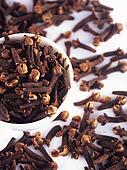
Clove is the bud of a highly aromatic tropical evergreen tree.  When you enter your dentist’s office, you might smell varied things but chances are clove oil is one of the most powerful smells on the shelf.  It is an oral anesthetic and dentists use it to disinfect root canals.

Ayurvedic healers in India have used clove since ancient times to treat respiratory and digestive ailments.  During the Han dynasty (207B.C. to A.D. 220) those who addressed the Chinese emperor were required to put cloves in their mouths to mask the bad breath.  Traditional Chinese doctors used cloves to treat indigestion, diarrhea, hernia, ringworm, athlete’s foot and other such fungal infections.  In medieval Germany, herbalist Hildegard used clove in her anti-gout mixture. 

During the 19th century, American physicians were the first to extract clove oil from the
herbal buds and they used it on the gums to relieve toothache.  Modern herbalists use cloves for digestive complaints and its oil for toothache.  Clove oil is the active ingredient in many mouth washes.  Clove oil is about 75 percent eugenol, which is the source of its anesthetic and antiseptic properties.

Japanese researchers have discovered that cloves contain antioxidants.  Antioxidants help prevent the cell damage that scientists believe eventually causes cancer.

It has been proved that clove kills intestinal parasites and exhibits antimicrobial properties against fungi and bacteria.  Probably that’s the reason clove has been used as a treatment for diarrhea, intestinal worms and other digestive ailments since ages.

For temporary relief of toothache prior to visiting your dentist, dip a cotton swab in clove oil and apply it to the affected tooth and gum.  After having starchy food, if you feel the acid reflex, put two or three cloves in your mouth and suck on them slowly.

Clove belongs to the Myrtaceae family and other members of this family are myrtle and eucalyptus.  Its botanical name is Eugenia caryophyllata and is also known as Clavos.

Its flower buds are used when they dry.  Tanzania produces about 80 percent of the world’s supply of cloves.  Cloves also grow in Indonesia, Brazil, Sri Lanka and West Indies.


Monday, 8 August 2011

Cinnamon the oldest healer

We use cinnamon powder in breads, cookies, cakes, hot apple cider and of course in our vegetables and rice dishes.  But cinnamon is not only a sweet spice; it is world’s oldest healer.

Cinnamon grew originally in southern Asia.  Indian Ayurvedic healers used cinnamon for fever, diarrhea and as an antiseptic on minor cuts and scrapes.  Ancient Chinese herbalist used it as early as 2700B.C.  This aromatic herb was introduced to Egyptians by Asian travelers who readily made this part of their healing herbs.  Greek and Romans adopted cinnamon for its aromatic and medicinal properties.  The 12th century German herbalist,
Hildegard, recommended cinnamon as “the universal spice for sinuses” to treat cold and flu.

Modern herbalists recommend cinnamon to relieve nausea, vomiting, diarrhea and indigestion and as a flavoring agent for bitter tasting dishes.  More than medicinal value, it delights our taste buds.  No wonder, in modern time toothpastes and mouth washes are flavored with cinnamon.  Like many culinary spices, cinnamon has antiseptic properties which kill many disease causing bacteria, fungi and viruses.  If you sprinkle some cinnamon powder on a minor cut after it is thoroughly washed, you will know of its healing power in no time.

Cinnamon does more than add flavor to cookies, cakes and breads and other high fat desserts.  Once you have eaten these delicacies, cinnamon breaks down fats in your digestive system by boosting digestive enzymes.  Some researchers believe that this herb helps in reducing high blood pressure as well.

Cinnamon belongs to Lauraceae family and other popular members of this family are bay and nutmeg.  Its botanical name is Cinnamomum zeylanicum.  Cinnamon tree’s dried inner bark is used as a spice in our kitchen.